Your triggers are older than the argument
The fight is about today. The reaction is often about years ago. Here is how to tell the two apart.

Jai V. Pareek
Soft skills & EQ coach

Big reactions to small things are clues.
In this post
Short on time? Remember these 3 things
- When the reaction is bigger than the situation, an old wound is involved.
- Ask: “How old does this feeling feel?”
- Respond to today’s person, not yesterday’s pain.
Your wife says, “You never listen to me.” It’s a small comment. But suddenly you’re furious, way more than the moment deserves. Your heart is pounding. You hear yourself say things you don’t even mean. Later, you wonder: why did that hit so hard?
Because it wasn’t only her voice you heard. Maybe it was a teacher who said you were careless. A father who said you never got anything right. When a present moment touches an old wound, the reaction comes from the wound.
What a trigger really is
A trigger is a present situation that feels like a past hurt. Your brain is designed to protect you from danger it has seen before. So when something looks similar, it hits the alarm, fast and loud, before your thinking brain catches up.
That’s why a small thing can cause a big reaction. The size of the reaction matches the old pain, not the new situation.
Myth
If I feel this strongly, the other person must have done something terrible.
Truth
Strong feelings sometimes measure the past, not the present.
How to spot a trigger
Common signs: your reaction is much bigger than the situation; the same type of comment always sets you off; you feel like a child, small, ashamed, helpless; afterwards, you’re confused by your own reaction.
How to work with it
You can’t erase triggers overnight. You can learn to catch them:
Pause and notice the size
“My reaction is a 9 out of 10. The situation is a 3.” That gap is the clue.
Ask: how old does this feeling feel?
Do I feel 35, or do I feel 12? The answer tells you where it comes from.
Separate then and now
“This is my wife, not my father. She’s frustrated, not saying I’m worthless.”
Share it later, calmly
When things settle, explaining your trigger helps your partner understand you, and avoid it.
Explaining a trigger to your partner
Not as an excuse. As information.
“When you say I never listen, I react badly because I heard that a lot growing up, and it made me feel useless. I’m working on it. Could you tell me what specifically you need instead?”
“What triggers you is a map of where you still need healing.”
Your trigger list
Write three things people say or do that set you off. Next to each, write when you first remember feeling that way. Just seeing the connection reduces its power.
Go deeper
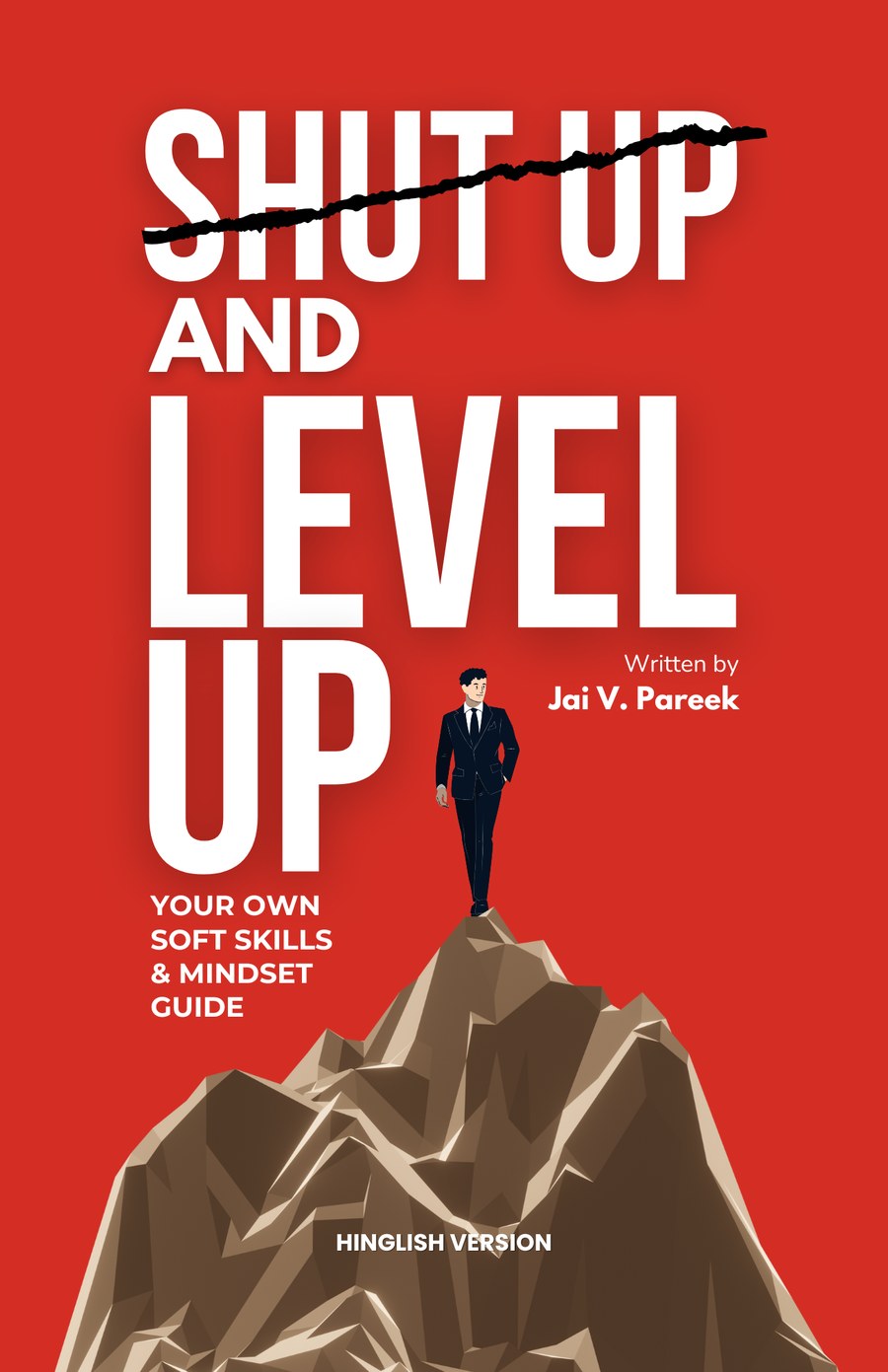
Shut Up and Level Up
Self-awareness, emotional control and relationships, in simple Hinglish.
Get the bookThe bottom line
Your triggers aren’t your fault. But they are your responsibility. Catch the size, ask how old it feels, and respond to the person in front of you, not the person in your memory.
Topics
Was this post useful?
Thank you! Share it with one person who needs to hear this today.
Written by
Jai V. Pareek
India’s Practical Transformation Coach · Author of Shut Up and Level Up
I learned most life skills the hard way, so you don’t have to. Since 2017 I have trained students, professionals and couples in soft skills and emotional intelligence, in simple language and with real-life examples.
Reading is step one
Understand yourself better
Work through your patterns with me in a 1:1 session.
Quick answers
Questions people ask
Can triggers be removed completely?
They usually soften a lot with awareness and practice. Some may need help from a counsellor.
Is it fair to tell my partner about my triggers?
Yes, as long as you take responsibility for working on them, not as a way to blame them.
What if my triggers come from serious trauma?
Please work with a qualified therapist. Some wounds need professional care.
How do I help a partner with triggers?
Stay calm, don’t take the size personally, and talk about it after, not during.
Keep reading
You might also like
Emotional intelligence · 5 min read
Anger is information. Here is how to read it
Three questions before you send that message.
Read the postEmotional intelligence · 6 min read
Emotionally strong is not emotionally silent
What handling a feeling actually looks like.
Read the post
Soft skills · 5 min read
How to say no without feeling guilty
A 3-line script for your boss, relatives and friends.
Read the postOne useful life skill. Every Sunday.
Short, practical, no spam. Unsubscribe anytime.
Sign-ups open soon.