Give the feeling a name before it gives you a reaction
You cannot manage what you cannot name. A ten-second habit that takes the heat out of a moment, at home, at work and in traffic.

Jai V. Pareek
Soft skills & EQ coach

Naming a feeling is the first emotional intelligence skill.
In this post
Short on time? Remember these 3 things
- Naming a feeling lowers its intensity. It’s called affect labelling.
- “I’m angry” is a start. “I’m embarrassed” is better. Be specific.
- Name it, then choose: pause, say, or let go.
Your father makes a comment at dinner about your job. Before you even know what happened, your voice is loud, your chair is pushed back, and your mother is saying “beta, shaant”. Ten minutes later you’re in your room thinking: why did I react like that?
Here’s what happened. A feeling showed up and took the steering wheel before you noticed it was there. The fastest way to take the wheel back is surprisingly simple: give the feeling a name.
Why naming works
When you name an emotion, even silently, the thinking part of your brain switches on and the alarm part calms down. Researchers call it affect labelling. You are not suppressing the feeling. You are just noticing it, and noticing is enough to slow it down.
It’s like seeing a snake and realising it’s a rope. The rope didn’t change. Your understanding did.
Myth
Strong people don’t need to talk about feelings.
Truth
Strong people know exactly what they are feeling, so feelings don’t control them.
Go one level deeper
Most of us have three words: good, bad, angry. That’s like having three colours to paint with. Anger, especially, is often a cover for something more specific.
Under “angry”, you might find: embarrassed, ignored, disrespected, jealous, scared, tired. When your father criticised your job, maybe you weren’t angry. Maybe you were hurt that he still doesn’t see your effort. That’s a completely different conversation.
The 10-second habit
Next time you feel heat rising, do this:
Pause
One breath. Feet on the floor. You don’t need to respond in the next second.
Name it, specifically
In your head: “I’m feeling ___.” Try for a precise word, not just “bad”.
Choose
Now decide: pause the conversation, say the feeling calmly, or let it go. Any of these is better than an automatic reaction.
Saying it out loud
When the moment allows, naming the feeling to the other person works even better.
“Papa, when you say that, I feel like all my hard work doesn’t count. That’s why I got upset.”
“Name it to tame it. A feeling you can name is a feeling you can handle.”
The evening feelings check
Every night this week, write three feelings you felt today, and what caused each one. Use a different word each time. You’ll be surprised how quickly your vocabulary, and your control, grows.
Go deeper
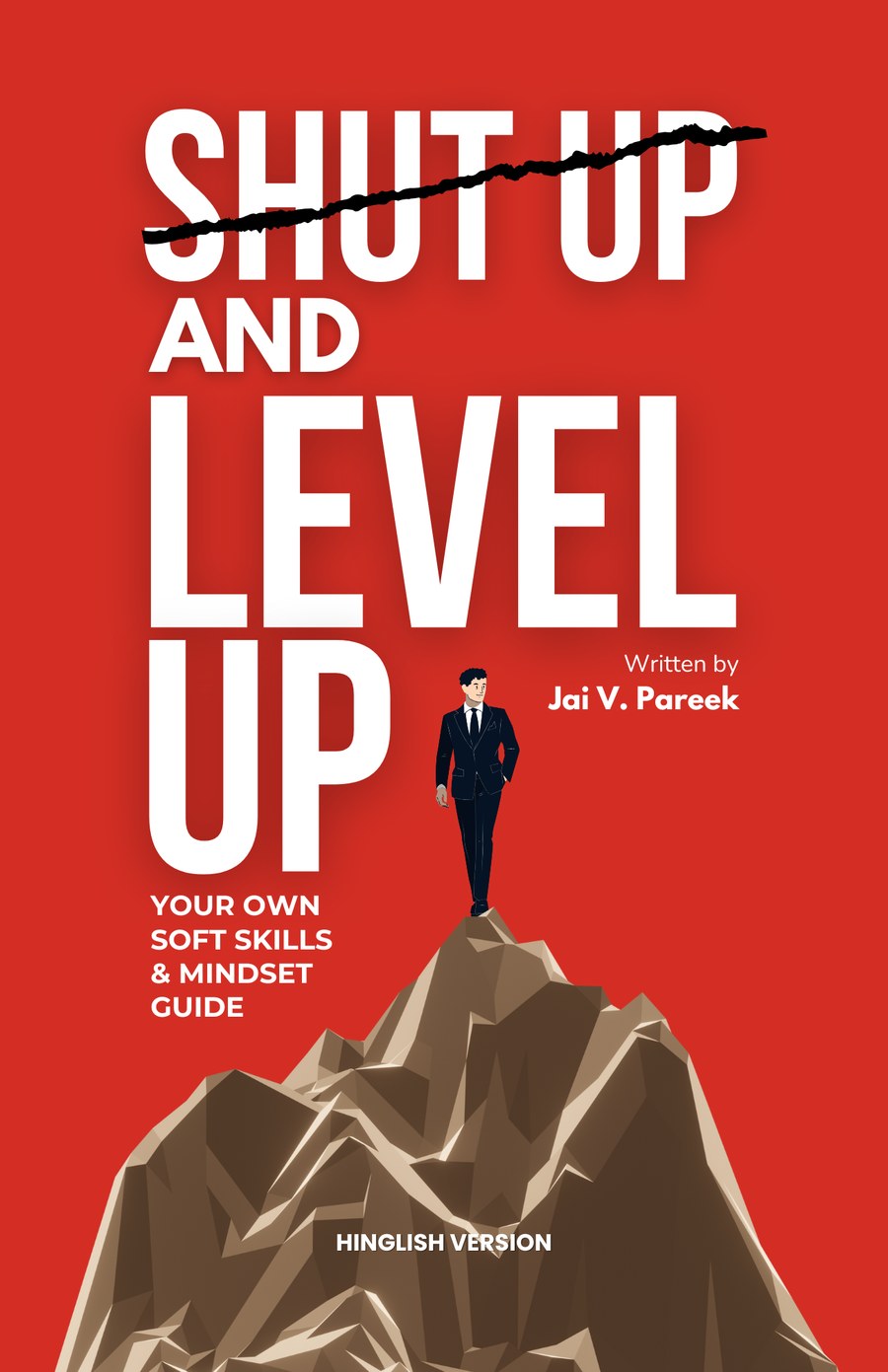
Shut Up and Level Up
Emotional intelligence in Hinglish, with tools like this one in every chapter.
Get the bookThe bottom line
You will still feel angry, hurt, jealous and scared. Everyone does. The difference is whether you feel it or become it. Ten seconds and one honest word make all the difference.
Topics
Was this post useful?
Thank you! Share it with one person who needs to hear this today.
Written by
Jai V. Pareek
India’s Practical Transformation Coach · Author of Shut Up and Level Up
I learned most life skills the hard way, so you don’t have to. Since 2017 I have trained students, professionals and couples in soft skills and emotional intelligence, in simple language and with real-life examples.
Reading is step one
Build emotional strength that lasts
Work on it with me in a 1:1 session, or start with the book.

Quick answers
Questions people ask
What if I can’t tell what I’m feeling?
Start with the body: tight chest, hot face, heavy stomach. Then guess a word. A guess is fine.
Doesn’t naming feelings make them bigger?
Research shows the opposite. Naming usually reduces intensity.
Should I always say my feeling out loud?
Not always. Sometimes naming it silently is enough to stay calm.
Is this useful at work?
Very. “I’m feeling rushed” in your head can stop a rude email.
Keep reading
You might also like

Emotional intelligence · 5 min read
Anger is information. Here is how to read it
Three questions before you send that message.
Read the postEmotional intelligence · 6 min read
Emotionally strong is not emotionally silent
What handling a feeling actually looks like.
Read the post
Soft skills · 5 min read
How to say no without feeling guilty
A 3-line script for your boss, relatives and friends.
Read the postOne useful life skill. Every Sunday.
Short, practical, no spam. Unsubscribe anytime.
Sign-ups open soon.