The first seven seconds: what people notice before you speak
Posture, eye contact, pace and one more thing. Small changes that alter how a room reads you, in interviews, client meetings and even with your future in-laws.

Jai V. Pareek
Soft skills & EQ coach
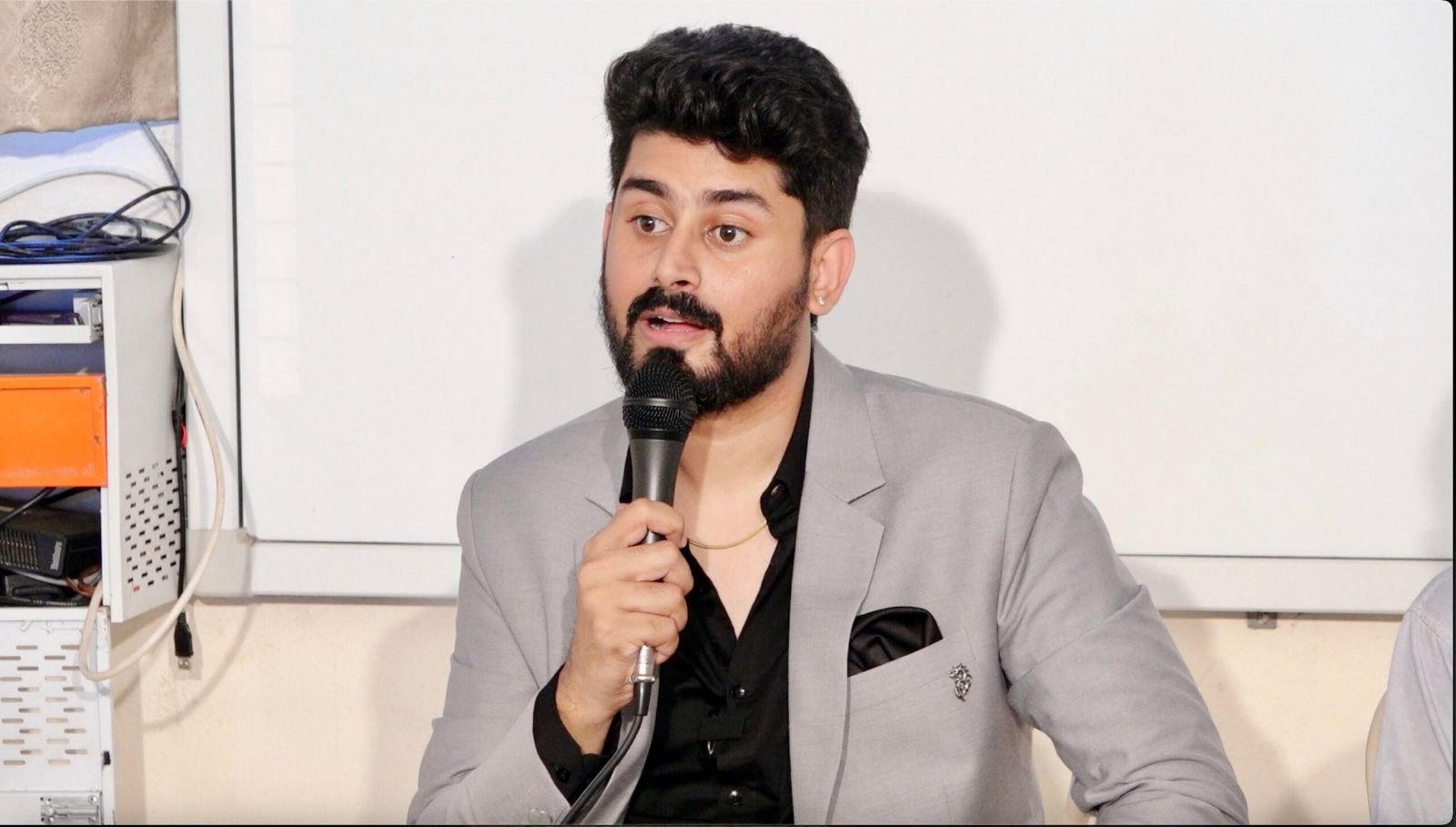
People decide how to listen to you before you say a word.
In this post
Short on time? Remember these 3 things
- First impressions form in seconds, mostly from body language.
- Fix four things: posture, eyes, pace, hands.
- The fifth thing is a genuine smile, it changes everything else.
Two candidates walk into the same interview with the same CV. One walks in fast, eyes on the floor, sits at the edge of the chair and says “sorry, sir” before anything else. The other walks in at a calm pace, looks up, smiles, and waits to be offered the chair. Before either says a word, the interviewer has already decided who sounds more confident.
This isn’t about looks or expensive clothes. When I worked in hotels like the Taj and the Burj Al Arab, the first thing we learnt was simple: guests judge you before you speak. The good news is that the things they judge are small and completely learnable.
Posture: take up your space
Stand and sit like you belong there. Shoulders back and down, chest open, spine tall. Don’t sit at the edge of the chair like you’re about to run. Slouching says “I don’t think I should be here.” Upright says “I’m ready.”
Eyes: look up, not through
Look at people’s faces when you enter and when you speak. Not a stare, a steady, friendly look for three to four seconds, then a natural break. In Indian culture, some people lower their eyes as respect, especially with elders. Keep the respect, but don’t hide. Eye contact signals honesty.
Pace: slow down by 20%
Nervous people rush. They walk fast, talk fast, shake hands fast. Slow everything down slightly: your walk into the room, your first sentence, your pauses. Calm pace is read as confidence, even when you don’t feel it.
Hands: visible and still
Hands in pockets or behind your back make people uneasy, they can’t see what you’re doing. Keep them visible. Use small, open gestures when you speak. Stop fidgeting with your pen, phone or ring.
Myth
Confidence is something you either have or don’t.
Truth
Confidence is mostly behaviour. Practise the behaviour and the feeling follows.
The fifth thing: a real smile
A genuine smile, the kind that reaches your eyes, makes people relax and like you faster than anything else. It’s not about being fake-happy. It’s about saying “I’m glad to meet you” without words.
Before you enter
Shoulders back, one deep breath, think of something that makes you smile.
At the door
Pause for a second. Look up. Smile.
First sentence
Slow and clear: “Good morning, I’m Jai. Thank you for having me.”
“Your body speaks first. Make sure it’s saying what you mean.”
The mirror and the phone
Record yourself walking into a room and saying one introduction line. Watch it with the sound off. What does your body say? Fix one thing, record again.
Go deeper
Interview Crack Karo
For freshers and job switchers: body language, “tell me about yourself” and HR questions, in Hinglish.
See the courseThe bottom line
You can’t control what people think. You can control what you show them in the first seven seconds. Stand tall, look up, slow down, smile. Then let your words do the rest.
Topics
Was this post useful?
Thank you! Share it with one person who needs to hear this today.
Written by
Jai V. Pareek
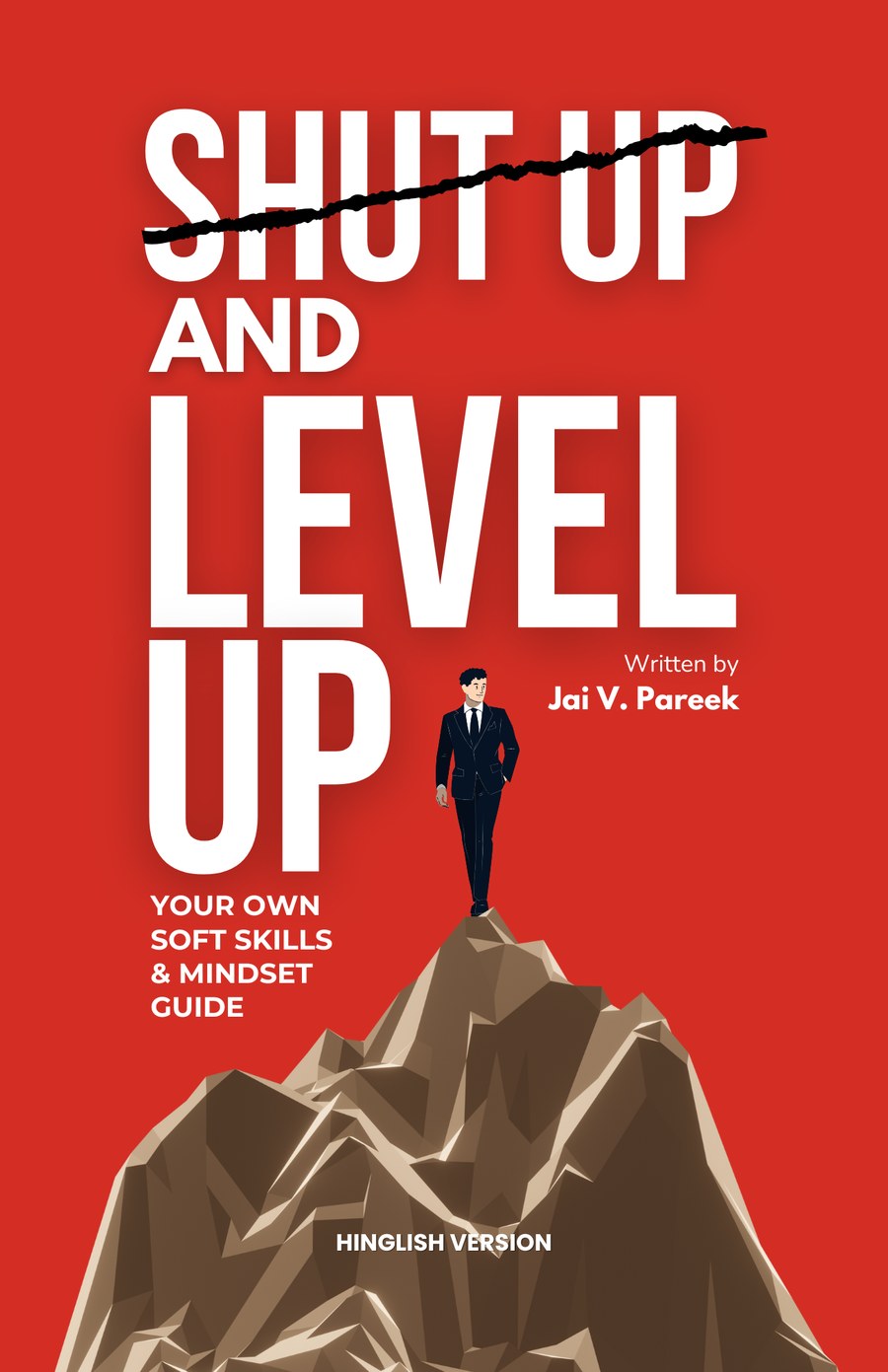
India’s Practical Transformation Coach · Author of Shut Up and Level Up
I learned most life skills the hard way, so you don’t have to. Since 2017 I have trained students, professionals and couples in soft skills and emotional intelligence, in simple language and with real-life examples.
Reading is step one
Crack your next interview
My Interview Crack Karo course covers body language, answers and confidence, step by step.

Quick answers
Questions people ask
Can first impressions be changed later?
Yes, but it takes much longer. Getting the first seconds right saves a lot of effort.
What if I’m naturally shy?
Shy is fine. Use the behaviours anyway: posture and a smile work even for quiet people.
Do clothes matter?
Clean, well-fitted and suitable for the occasion matters more than expensive.
How do I stop shaking hands too weakly?
Firm, not crushing. Full palm contact, two short shakes, eye contact.
Keep reading
You might also like
Soft skills · 4 min read
How to introduce yourself in 30 seconds
A simple structure for the question everyone asks.
Read the postSoft skills · 6 min read
The skills school forgot to teach us
Life skills nobody put on the syllabus.
Read the postSoft skills · 5 min read
How to say no without feeling guilty
A 3-line script for your boss, relatives and friends.
Read the postOne useful life skill. Every Sunday.
Short, practical, no spam. Unsubscribe anytime.
Sign-ups open soon.