The skills school forgot to teach us
We learnt photosynthesis, the Mughal dynasty and quadratic equations. Nobody taught us how to handle money, anger, rejection or a difficult boss. Here are the 8 life skills that actually decide how your life goes, and a simple way to start learning them today.

Jai V. Pareek
Soft skills & EQ coach
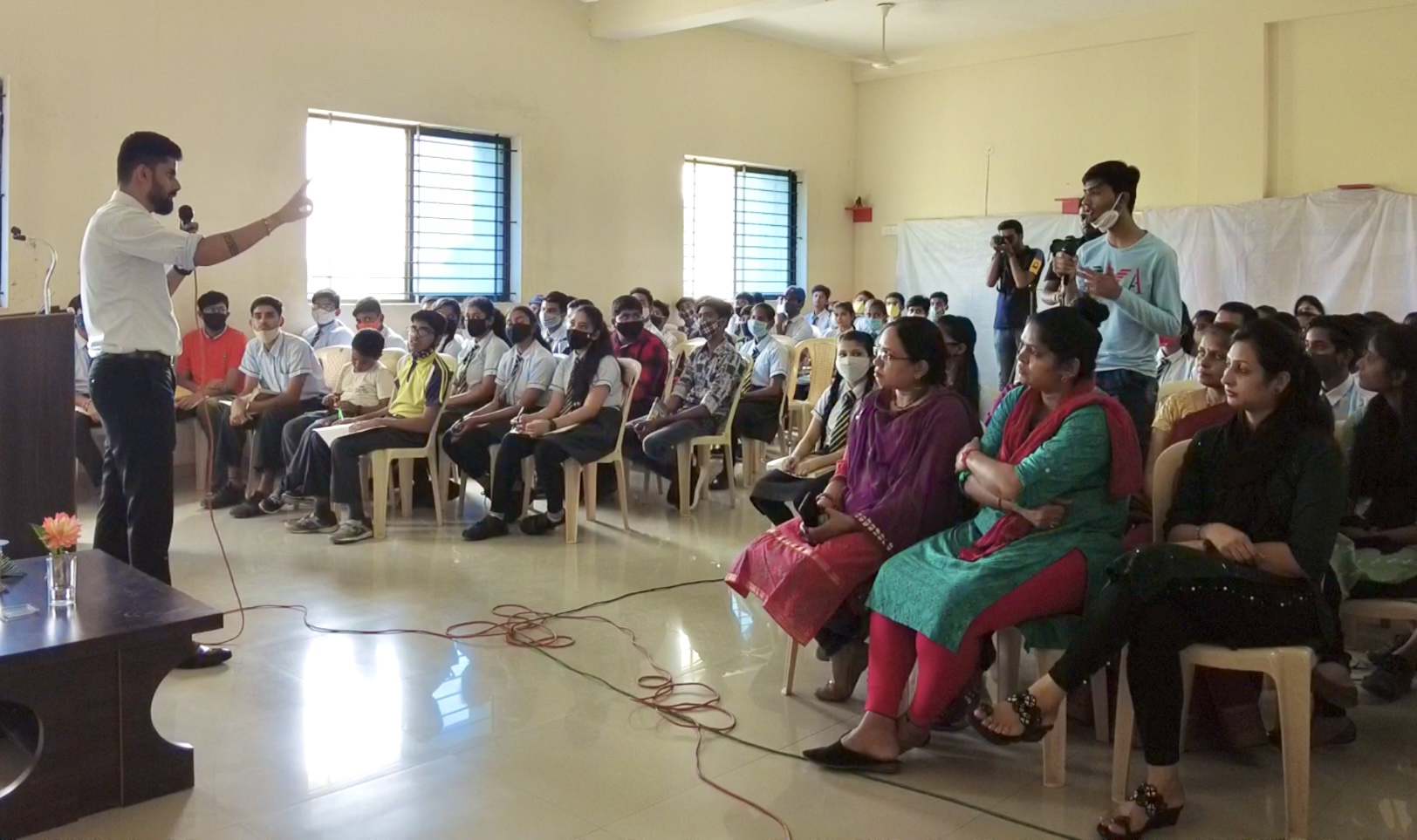
Marks get you the first job. Life skills decide everything after that.
In this post
Short on time? Remember these 3 things
- School trained us to pass exams, not to handle money, emotions, people or failure.
- Life skills are skills, not personality. Anyone can learn them, at any age.
- Pick one skill a month, practise it in small real situations, and track what changes.
I still remember the formula for the area of a trapezium. I have used it exactly zero times since Class 9. But the first time my boss shouted at me in front of the whole team, I had no formula. I went to the washroom, stared at the mirror, and had no idea what to do with the feeling in my chest. Sixteen years of education, and nobody had taught me that one.
If you are reading this, you probably have your own version of that moment. The first salary that disappeared by the 20th. The first breakup that wrecked your semester. The first interview where your mind went blank. The first fight with your partner where you said things you didn’t mean. In each of those moments, you were tested on a subject that was never on the syllabus.
This post is not about blaming teachers or schools. Most of our teachers did their best inside a system built for marks. This post is about filling the gap, yourself, starting today. Let’s go through the skills nobody taught us, why they matter more than we think, and how to start learning them as an adult.
Why school never taught these skills
Our education system was designed to produce people who can follow instructions, memorise information and clear exams. That was useful once. A clerk needed good handwriting and good memory. A factory needed people who came on time and did what they were told.
But life today doesn’t give you a question paper. It gives you a boss with moods, a relative with opinions, a partner with feelings, a phone with a thousand distractions and a bank account with an EMI. The real exam is unstructured, and nobody tells you the marking scheme.
At home, too, most of us learnt by watching, not by being taught. If your parents handled anger by shouting, you learnt shouting. If money was never discussed at the dinner table, you learnt that money is “not a topic for kids”. If feelings were answered with “chup kar, rona band kar”, you learnt that emotions are something to hide.
Myth
Good marks mean you are ready for life.
Truth
Marks open the door. How you think, talk, feel and decide is what keeps you in the room.
The 8 skills nobody put on the syllabus
In nine years of training students, professionals and couples, I see the same gaps again and again. Different cities, different salaries, same missing skills. Here they are.
1. Understanding your own emotions
We were taught the names of 28 states but not the difference between being angry, hurt and disappointed. Without words for what we feel, every feeling comes out as irritation. You snap at your mother when the real issue was your manager’s message at 9 pm. Emotional intelligence starts with one simple question: “What exactly am I feeling right now, and why?”
2. Talking clearly, especially when it’s uncomfortable
We practised essays and debates, but nobody taught us how to tell a friend “that joke hurt me”, or how to tell a boss “this deadline is not realistic”. So we either stay silent and build resentment, or we explode once it’s too much. Clear, calm communication is the most used skill in your entire life, and most of us are winging it.
3. Handling money
Budgeting, saving, the difference between an asset and a liability, why a “no-cost EMI” still costs you something. We studied compound interest as a maths chapter, not as the thing that decides whether you retire peacefully. Many smart, well-earning people in their 30s still live salary to salary, simply because nobody showed them how.
4. Dealing with failure and rejection
In school, failure was a red mark and a parent-teacher meeting. So we learnt to fear it, hide it, or avoid anything where we might fail. But every real thing in life, a business, a relationship, a career switch, a new skill, involves failing first. If you never learnt to fail safely, you either stop trying or you take every rejection as a verdict on your worth.
5. Asking for what you want
A raise. A better price. More help at home from your partner. A day off. Most Indians were raised to believe that asking is greedy and waiting quietly is a virtue. So we wait, and the people who ask get what we wanted. Negotiation is not about being pushy. It is about knowing your value and saying it out loud, politely.
6. Handling conflict in relationships
Couples come to me all the time saying “we fight about small things”. It is almost never about the small thing. It is about two people who were never taught how to disagree without attacking each other. Fighting the problem instead of fighting each other is a skill. So is apologising properly. So is listening without planning your reply.
7. Managing time, energy and attention
School gave us a timetable and a bell. Then one day the bell stopped, and we were handed a phone that is designed to steal our attention. Planning a week, protecting deep work, saying no to things that drain you, sleeping on time, these are not “discipline”. They are skills, and most of us were never shown how.
8. Learning how to learn
We were taught to learn for an exam date. Once the exam was over, the learning stopped. But your career will change three or four times. The people who do well are not the ones who knew the most at 22. They are the ones who keep learning at 32, 42 and 52, without a teacher, a syllabus or a report card.
“School taught us how to answer questions. Life asks us to handle situations.”
What this gap costs us as adults
The missing skills don’t show up on a marksheet. They show up in quieter ways.
The topper who freezes in every meeting and watches a less qualified colleague get promoted. The engineer earning lakhs who has nothing saved by 35. The couple who loves each other but has the same fight every Sunday. The son who wants to tell his father “I don’t want to join the family business” and hasn’t found the words in five years.
None of these people are stupid. They are untrained. And the good news about untrained is simple: training is available.
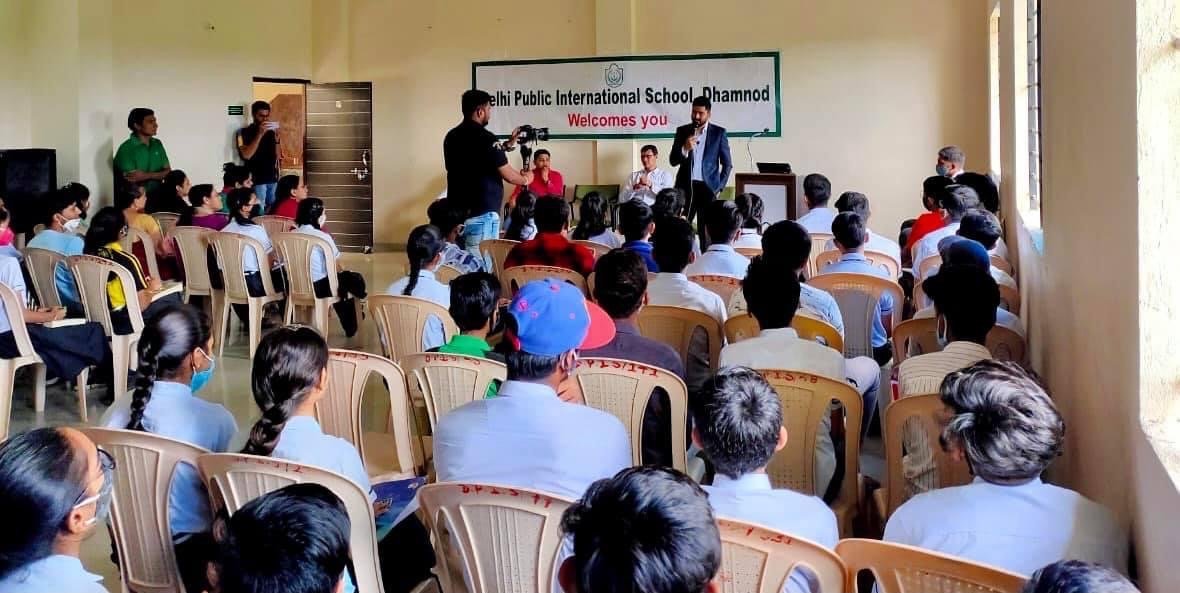
How to teach yourself what school didn’t
You don’t need to go back to school. You need a small, repeatable system. This is the one I give everyone who asks me where to start:
Pick one skill, not eight
Look at the list above and ask: “Which missing skill is costing me the most right now?” Start there. One skill a month is twelve skills a year. That is more than most people learn in a decade.
Practise in small, low-risk situations
Don’t start negotiating with your CEO. Start with the sabziwala, the cab driver, a friend choosing the restaurant. Skills grow in small reps, exactly like muscles.
Reflect for 5 minutes every night
Write three lines: “Where did I use the skill today? What happened? What will I try differently tomorrow?” This is the homework school never gave you, and it works better than any textbook.
What these skills sound like in real life
Theory is easy. The real test is the exact words you use in the moment. Here are three situations where an untrained reply and a trained reply lead to completely different results.
Asking your boss for a raise
Untrained: waiting silently for appraisal and complaining to colleagues. Trained: asking with facts, at the right time.
“Sir, can I take 15 minutes this week? In the last six months I’ve handled two new clients and brought the delivery time down by a week. I’d like to discuss my role and compensation based on that. What would you need to see from me to make that happen?”
When your partner is upset and you don’t know why
Untrained: “Ab kya ho gaya? Har baar ka drama hai.” Trained: getting curious instead of defensive.
“I can see something is bothering you, and I want to understand it properly. I’m not going to argue right now, I’m just going to listen. Tell me what happened.”
When a relative compares you at a family function
Untrained: smiling, swallowing it, and fighting with your parents later at home. Trained: a calm, light boundary.
“Chachi, Sharma ji ka beta is doing great, I’m happy for him. I’m on my own path and it’s going well. Aap batao, aapki knee surgery ke baad ab kaisa lag raha hai?”
If you are a parent, start at home
You can’t change the syllabus, but you can change your dining table. Name your feelings in front of your kids: “Papa is frustrated today because of work, it’s not because of you.” Let them handle small amounts of money and make small mistakes with it. Let them see you apologise to your partner. Let them fail at something without a lecture.
Children don’t learn life skills from what we say. They learn from what we do when we are tired, angry or worried. The best soft skills class your child will ever attend is you, on a bad day.
The “missing subject” audit
Take a page and write down the last three situations that went badly for you: a fight, a missed opportunity, a moment you froze. Next to each one, write which of the 8 skills was missing. The skill that appears most often is your subject for this month. Now pick one tiny situation this week where you will practise it on purpose.
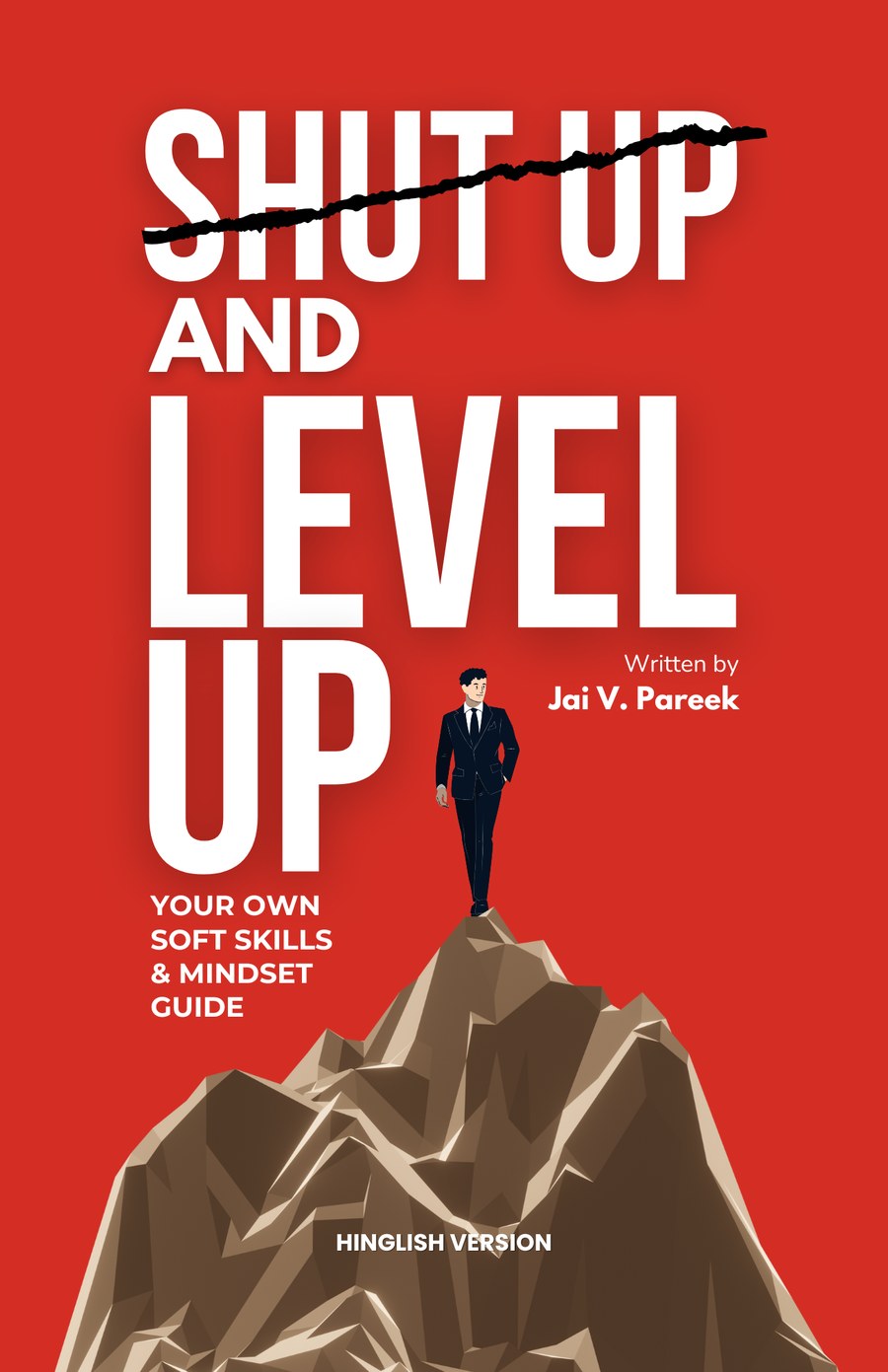
The syllabus school forgot
Shut Up and Level Up
50+ life and soft skills across 30 chapters, in simple Hinglish, with real Indian examples and small daily tasks. Basically, the textbook we should have got in school.
Get the bookIt’s not too late, it’s just late enough
Many people tell me, “Jai, I’m 35 now, ab kya seekhunga?” Here’s the truth: you have an advantage that a 15-year-old doesn’t. You already know exactly where it hurts. You have real situations, real people and real stakes to practise with. A student learns these skills in theory. You get to learn them on the field.
I learnt most of what I teach the hard way, through mistakes I would not wish on anyone. That is why I teach it now, so you can learn it the easier way.
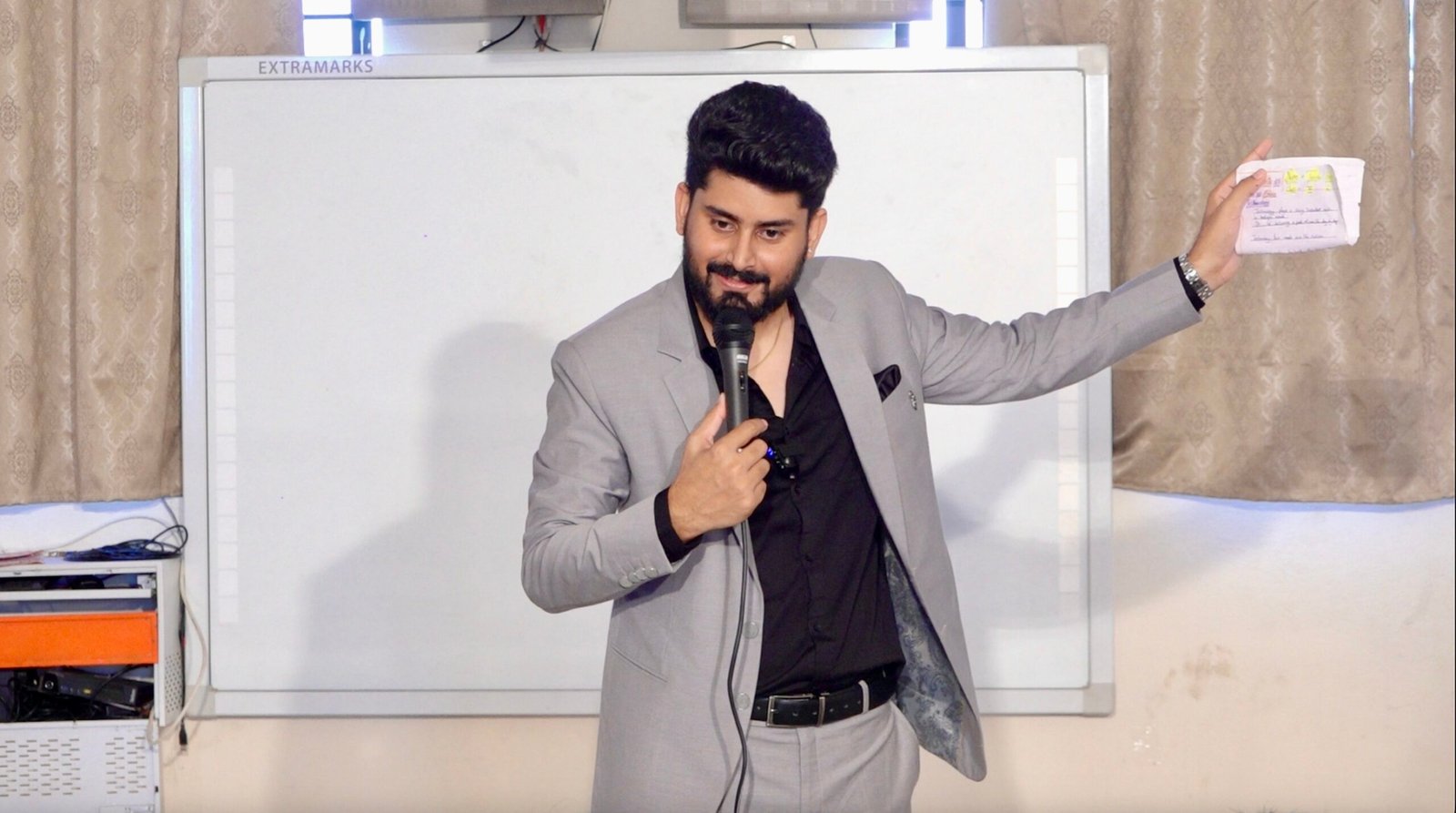
The bottom line
School gave you a foundation. It was never going to give you everything. The skills that decide your income, your relationships and your peace of mind are learnable, practical and available to you right now.
Pick one. Practise small. Reflect daily. The bell has stopped ringing, so you get to decide what you learn next. Make it count.
Topics
Was this post useful?
Thank you! Share it with one person who needs to hear this today.
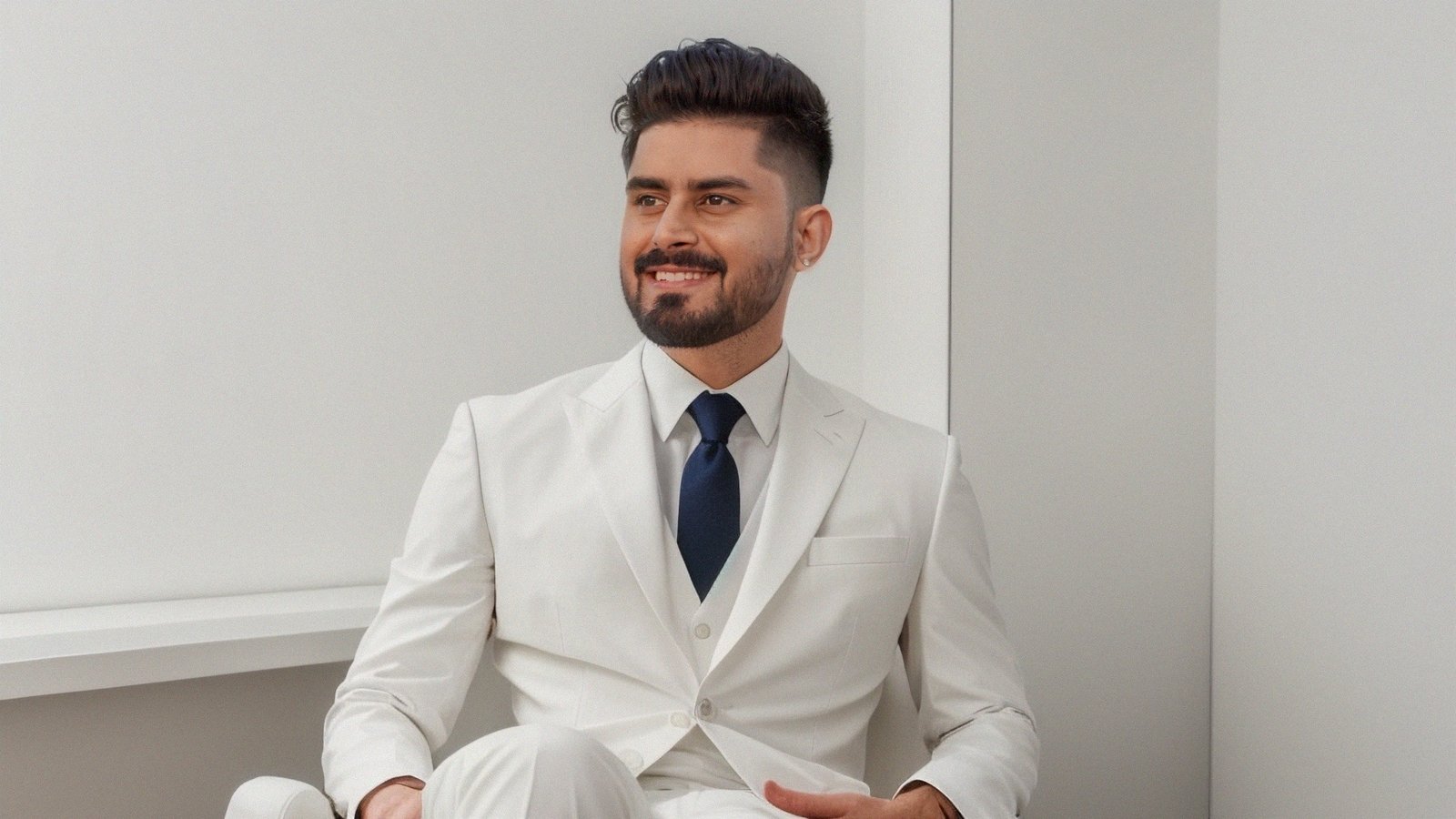
Written by
Jai V. Pareek
India’s Practical Transformation Coach · Author of Shut Up and Level Up
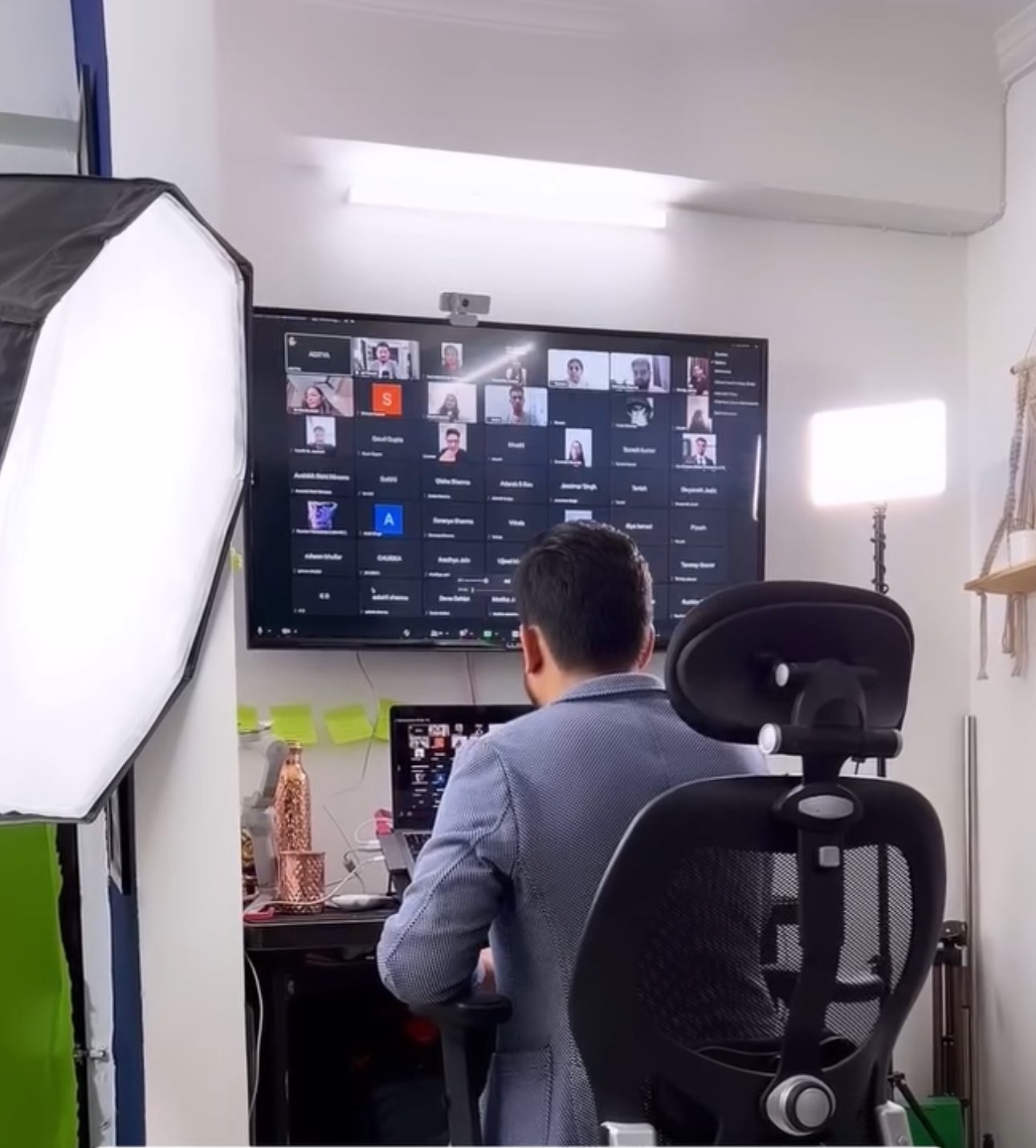
I learned most life skills the hard way, so you don’t have to. Since 2017 I have trained students, professionals and couples in soft skills and emotional intelligence, in simple language and with real-life examples.
Reading is step one
Ready to learn what school skipped?
My short courses turn these missing subjects into daily habits, with videos, scripts and small tasks you can do in real life. Have a child aged 10 to 15? Give them these skills now, so they don’t have to learn them the hard way later.
Quick answers
Questions people ask
What are life skills, in simple words?
They are the skills you use to handle real situations: your emotions, other people, money, time, failure and decisions. Not what you know, but how you deal with what happens to you.
Are soft skills really more important than marks?
Marks and degrees help you get shortlisted. After that, promotions, relationships and peace of mind depend mostly on how you communicate, handle pressure and work with people. You need both, but most of us only trained one.
I’m in my 30s. Is it too late to learn these skills?
Not at all. Adults often learn faster because they have real situations to practise with. Pick one skill, practise it in small moments for a month, and you will see a difference.
Which skill should I learn first?
The one that is costing you the most right now. If you fight a lot, start with conflict. If money runs out, start with money. If you can’t name it, start with emotional awareness, because it makes every other skill easier.
How can I teach these skills to my child?
Model them out loud. Name your feelings, apologise when you are wrong, involve them in small money decisions and let them fail safely. Children copy behaviour much more than advice.
Keep reading
You might also like
Soft skills · 7 min read
How to say no without feeling guilty
A simple 3-line script for your boss, relatives and friends.
Read the post
Emotional intelligence · 5 min read
Anger is information. Here is how to read it
Three questions to ask before you send that message.
Read the post
Indian men · 7 min read
What nobody teaches men about rejection
Rejection is information, not a verdict.
Read the postOne useful life skill. Every Sunday.
Short, practical, no spam. Unsubscribe anytime.
Sign-ups open soon.