Empathy is not the same as agreeing
You can understand someone completely and still say no. Here is where the line is, and how to hold it kindly, with family, friends and colleagues.

Jai V. Pareek
Soft skills & EQ coach

Understanding someone is a gift. Agreeing is a choice.
In this post
Short on time? Remember these 3 things
- Empathy means “I understand how you feel”, not “you are right”.
- Validate the feeling, then state your position, in that order.
- People accept a no much better when they feel heard first.
Your younger brother wants to quit his job to start a café. He’s excited, he’s nervous, and he wants your support. You think it’s a terrible idea. So you do what most of us do: either you fake agreement to keep the peace, or you crush it with logic. Both damage the relationship.
There’s a third option, and it’s the heart of emotional intelligence: understand the feeling fully, and still keep your own view.
The confusion
Many of us believe that if we show understanding, we’re agreeing. So we hold back empathy because we’re afraid it will look like a yes. Or we give in because understanding someone’s pain makes us feel we must say yes.
But empathy and agreement are different things. Empathy is about the person. Agreement is about the decision.
Myth
If I understand your feelings, I must agree with you.
Truth
I can understand your feelings completely and still disagree with your plan.
Validate first, position second
The order matters. When people feel heard, their defences drop, and then they can actually listen to a different view.
Name their feeling
“You’re really excited about this, and I can tell you’re also scared of missing your chance.”
Show you get why
“It makes sense. You’ve hated your job for two years.”
Share your view, clearly
“I’m worried about the money part. I don’t think you should quit before you have six months of savings.”
Keep the door open
“Can we sit together this weekend and look at the numbers?”
With a colleague who wants your support for a bad idea
Acknowledge the effort, then the concern.
“I can see how much work you’ve put into this proposal, and I get why you’re frustrated it’s been ignored. I still don’t think we should present it to the client this week. Let’s fix the pricing first.”
Why this works
When you skip empathy and go straight to “no”, people hear rejection of themselves. When you give empathy and then disagree, they hear rejection of an idea. The first breaks trust; the second builds it, because they know you’ll be honest and kind.
“I hear you” and “I disagree” can live in the same sentence.
The “and”, not “but”, trick
This week, when you disagree with someone, replace “but” with “and”. “I understand you’re upset, and I still think we should wait.” “But” erases what came before. “And” keeps both true.
Go deeper
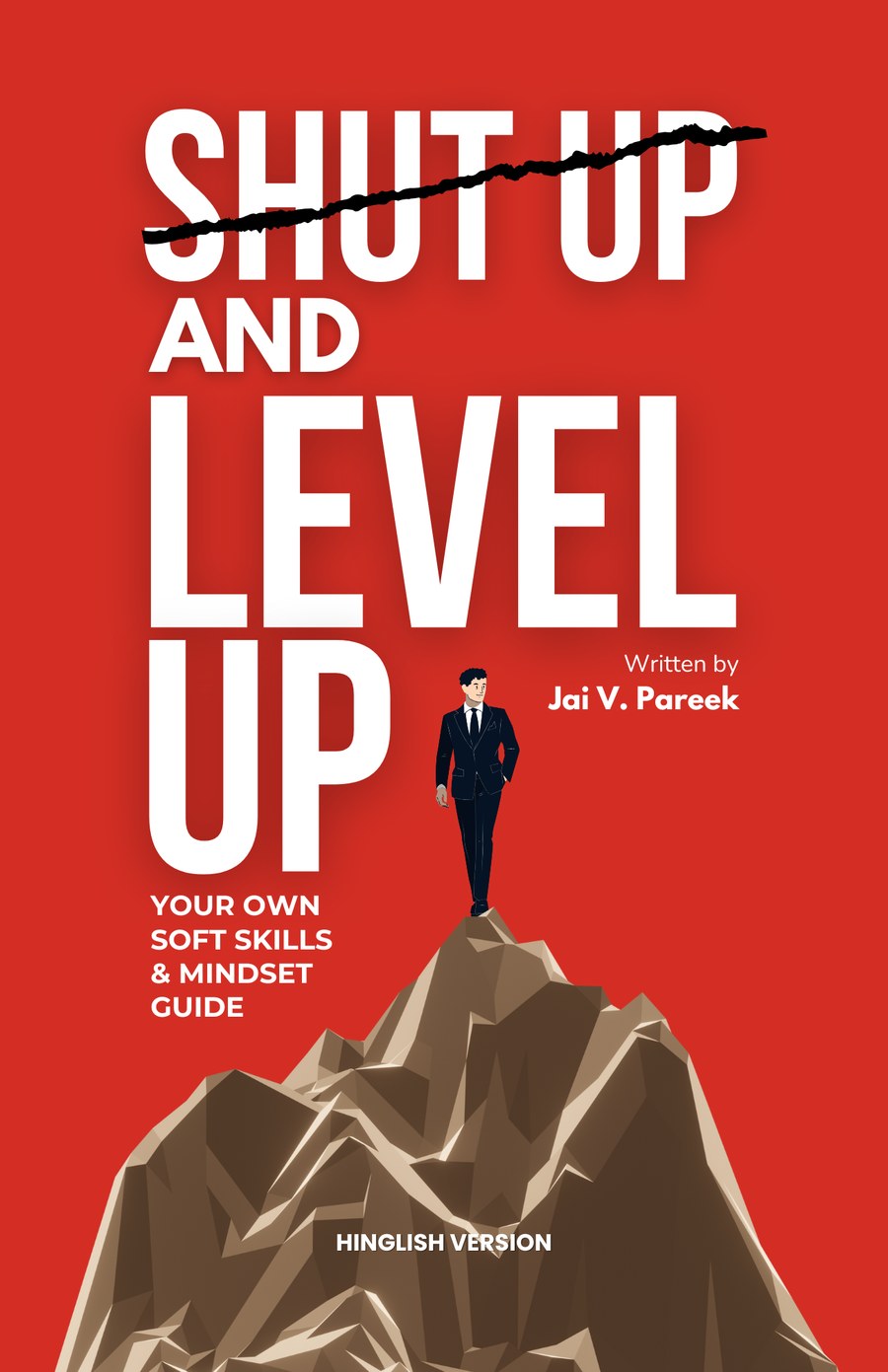
Shut Up and Level Up
Empathy, boundaries and emotional intelligence in simple Hinglish.
Get the bookThe bottom line
You don’t have to choose between being kind and being honest. Understand the feeling, then speak your mind. That’s not weakness or stubbornness. That’s emotional maturity.
Topics
Was this post useful?
Thank you! Share it with one person who needs to hear this today.
Written by
Jai V. Pareek
India’s Practical Transformation Coach · Author of Shut Up and Level Up
I learned most life skills the hard way, so you don’t have to. Since 2017 I have trained students, professionals and couples in soft skills and emotional intelligence, in simple language and with real-life examples.
Reading is step one
Grow your emotional intelligence
Work on real situations with me, one-on-one, or start with the book.

Quick answers
Questions people ask
Isn’t validating someone’s bad idea dishonest?
No. You’re validating the feeling, not the idea. Feelings are always real, even when plans aren’t sensible.
What if they only hear the empathy part?
Be clear in the second part. Say your position in one short, direct sentence.
Does this work with parents?
Very well. Elders soften a lot when they feel understood first.
What if I don’t actually understand their feeling?
Ask: “Help me understand what this means to you.” Curiosity is the start of empathy.
Keep reading
You might also like

Soft skills · 5 min read
How to say no without feeling guilty
A 3-line script for your boss, relatives and friends.
Read the postEmotional intelligence · 5 min read
Anger is information. Here is how to read it
Three questions before you send that message.
Read the post
Emotional intelligence · 6 min read
Emotionally strong is not emotionally silent
What handling a feeling actually looks like.
Read the postOne useful life skill. Every Sunday.
Short, practical, no spam. Unsubscribe anytime.
Sign-ups open soon.