How to stay calm when someone is rude to you
Their tone is theirs. Your response is yours. A simple way to slow down the first five seconds, with a rude boss, relative, customer or stranger.

Jai V. Pareek
Soft skills & EQ coach
Calm is not weakness. It is control.
In this post
Short on time? Remember these 3 things
- The first five seconds decide whether you react or respond.
- Rudeness usually says more about their day than about you.
- Reply to the content, not the tone, or calmly name the tone.
The auto driver shouts at you for no reason. Your relative makes a nasty comment about your weight at a family function. A client sends an email in capital letters. In each case, your body reacts first: hot face, tight jaw, a reply already forming on your tongue.
Staying calm doesn’t mean you let people walk over you. It means you decide how to respond, instead of letting their mood decide it for you.
Rudeness is usually not about you
A rude person is almost always dealing with something: stress, fear, tiredness, a bad morning, their own insecurity. That doesn’t make it okay. But it does mean you don’t have to take it personally. Their tone is information about their state, not a verdict on your worth.
Myth
If I don’t react strongly, I look weak.
Truth
The calmest person in the room usually has the most power in it.
The 5-second reset
When someone is rude, try this before you say anything:
Breathe out slowly
A long exhale tells your nervous system there is no danger. It takes three seconds.
Say in your head: “This is theirs.”
Their mood, their words, their problem. You’re choosing not to pick it up.
Choose one of three responses
Answer the content and ignore the tone; calmly name the tone; or walk away.
Answering the content, not the tone
Works with clients and bosses.
“I understand the delivery is late, and I can see that’s frustrating. Here’s what I can do by tomorrow.”
Calmly naming the tone
Works with relatives and colleagues who do it repeatedly.
“I’m happy to talk about this, but not in this tone. Can we try again?”
When to walk away
If someone is abusive, drunk, or the situation is unsafe, you don’t owe them a calm conversation. Leave. Calm also means knowing when not to engage.
“You can’t control the wave. You can learn to surf.”
Pick your phrase today
Choose one calm line you’ll use the next time someone is rude: “Let’s keep this respectful” or “I hear you’re upset.” Practise it out loud. Under pressure, you only remember what you’ve rehearsed.
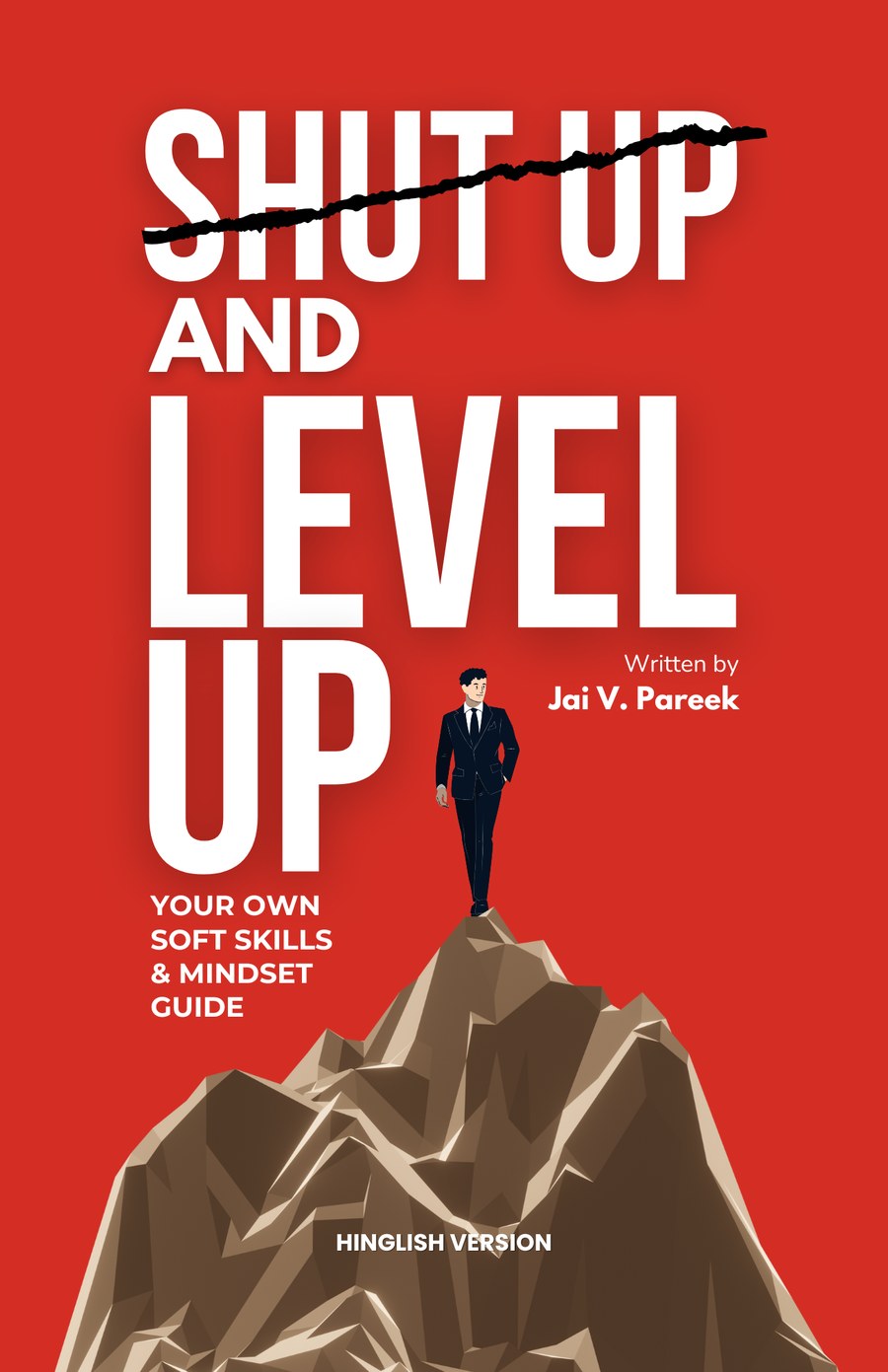
Go deeper
Shut Up and Level Up
Emotional control and handling difficult people, in simple Hinglish.
Get the bookThe bottom line
You won’t always feel calm. That’s fine. You just need to act calm for five seconds. By then the worst of the reaction has passed, and you get to choose who you want to be.
Topics
Was this post useful?
Thank you! Share it with one person who needs to hear this today.
Written by
Jai V. Pareek
India’s Practical Transformation Coach · Author of Shut Up and Level Up
I learned most life skills the hard way, so you don’t have to. Since 2017 I have trained students, professionals and couples in soft skills and emotional intelligence, in simple language and with real-life examples.
Reading is step one
Stay steady under pressure
Learn emotional control in a 1:1 with me, or start with the book.

Quick answers
Questions people ask
What if I’m rude back by mistake?
Repair quickly: “I reacted badly there. Let me try again.” It shows strength, not weakness.
What if it’s my boss who’s always rude?
Name the pattern privately, calmly. If it continues, document it and involve HR.
How do I handle rude relatives at family functions?
A short, polite reply and a change of topic: “Thanks for your concern. Have you tried the jalebi?”
Does calm mean I accept bad behaviour?
No. Calm is how you respond. Boundaries are what you accept. You can be calm and firm.
Keep reading
You might also like
Emotional intelligence · 5 min read
Anger is information. Here is how to read it
Three questions before you send that message.
Read the postEmotional intelligence · 6 min read
Emotionally strong is not emotionally silent
What handling a feeling actually looks like.
Read the post
Soft skills · 5 min read
How to say no without feeling guilty
A 3-line script for your boss, relatives and friends.
Read the postOne useful life skill. Every Sunday.
Short, practical, no spam. Unsubscribe anytime.
Sign-ups open soon.