The apology that actually repairs things
“Sorry if you felt bad” is not an apology. Here are the three parts of an apology that people actually accept.

Jai V. Pareek
Soft skills & EQ coach
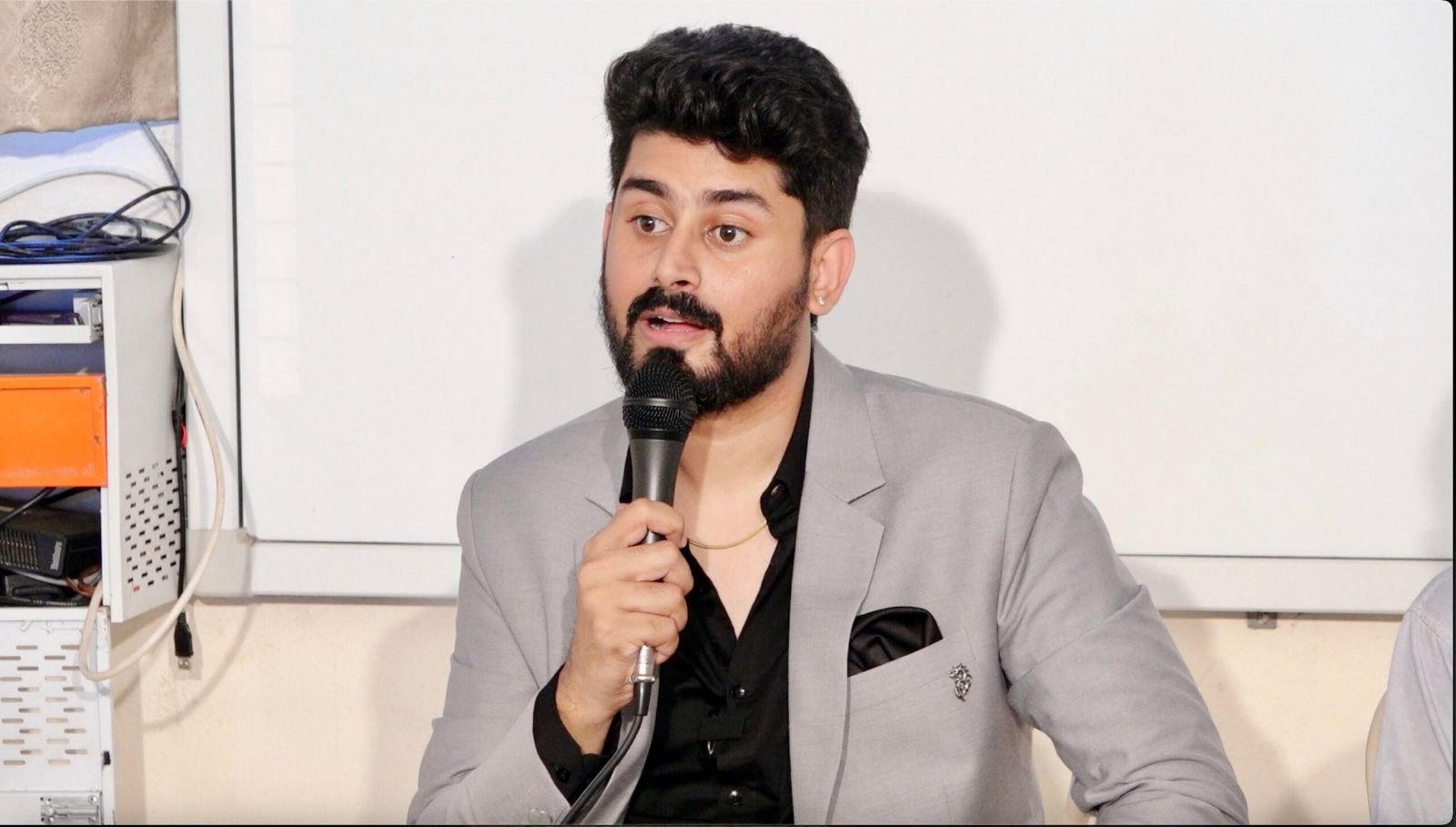
A good apology rebuilds trust. A bad one breaks it again.
In this post
Short on time? Remember these 3 things
- Fake apologies (“sorry if…”, “sorry but…”) make things worse.
- A real apology has 3 parts: own it, name the impact, fix it.
- Then stop explaining. Let the other person respond.
You forgot your best friend’s birthday. Your apology: “Sorry yaar, you know how busy work has been, and you also didn’t remind me.” Somehow, by the end of that sentence, it sounds like his fault. He says “it’s fine”. It isn’t.
Most of us were never taught how to apologise. We learned to say “sorry” fast to end the discomfort, or to avoid it completely because it feels like losing. A real apology is neither. It’s a skill, and it repairs things that “sorry” alone can’t.
The fake apologies
“Sorry if you felt hurt.” Makes it about their feelings, not your action.
“Sorry, but…” Everything after “but” cancels the sorry.
“I’m sorry, okay? What more do you want?” That’s a demand, not an apology.
“Mistakes happen.” True, but it skips owning yours.
Myth
Apologising makes you look weak.
Truth
Apologising well is one of the strongest things a person can do. It takes security, not weakness.
The three parts of a real apology
Short, specific, no excuses:
Own it, specifically
“I forgot your birthday.” Not “if I upset you” or “mistakes happen”. Say what you did.
Name the impact
“You must have felt like you don’t matter to me, and that’s the last thing I want you to feel.”
Make it right
“Let me take you out this weekend, and I’ve put every important date in my calendar with reminders.”
At work, after a mistake
Own it fast and bring a fix.
“I sent the wrong file to the client, that’s on me. It made us look careless. I’ve already sent the correct one with a note, and I’ll double-check attachments from now on.”
After the apology
Stop. Don’t keep explaining or defending. Let the other person respond, even if they’re still upset. Forgiveness is their choice, and it might take time. Your job was to repair, not to rush them.
“An apology without change is just manipulation.”
The unsent apology
Think of one apology you owe and never gave. Write it using the three parts. Then decide: send it, say it, or keep it as a lesson. Writing it alone changes how you carry it.
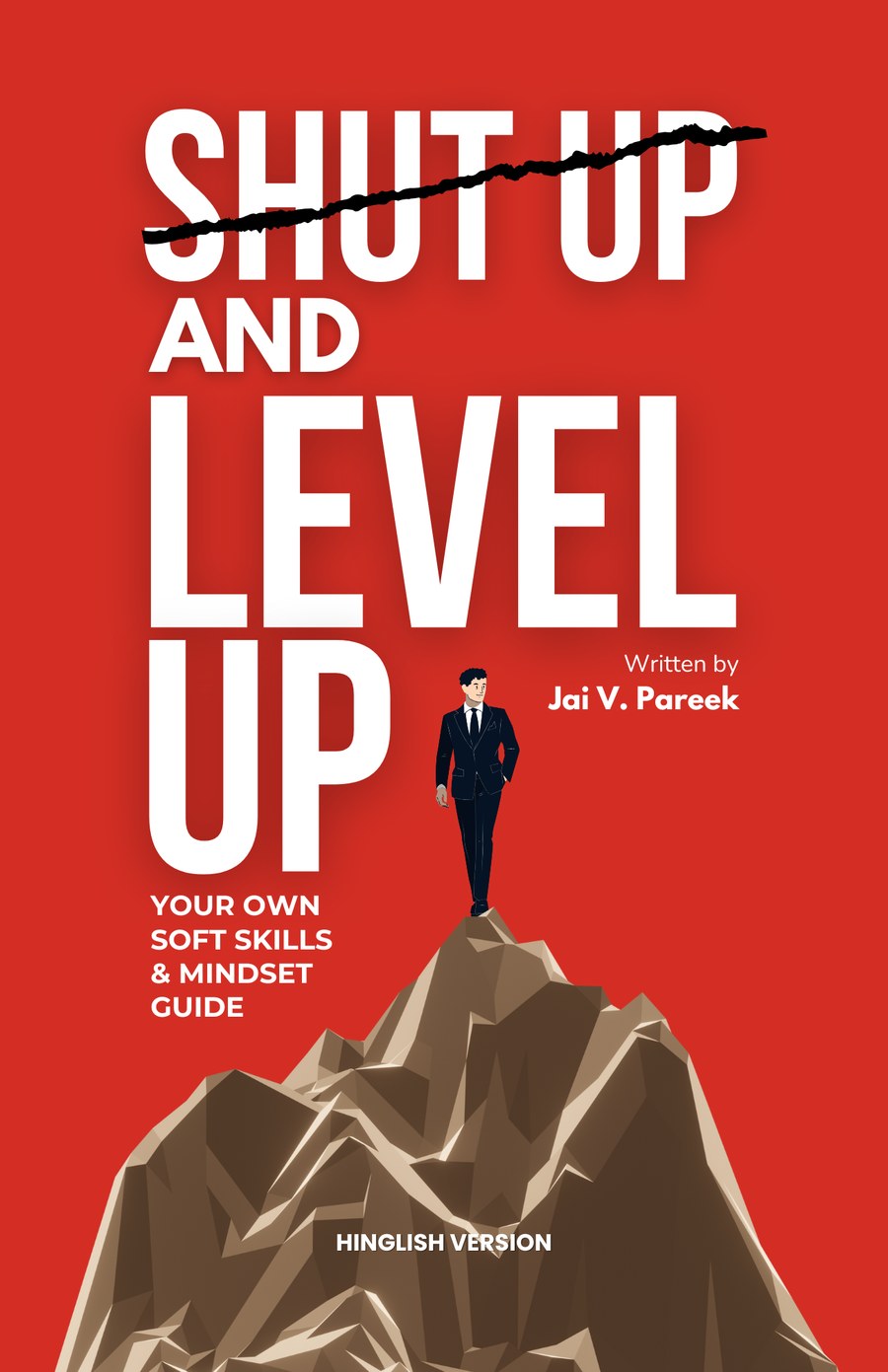
Go deeper
Shut Up and Level Up
Relationships, ego and emotional maturity in simple Hinglish.
Get the bookThe bottom line
A real apology isn’t about losing an argument. It’s about choosing the relationship over your ego. Own it, name the impact, fix it. Then let it breathe.
Topics
Was this post useful?
Thank you! Share it with one person who needs to hear this today.
Written by
Jai V. Pareek
India’s Practical Transformation Coach · Author of Shut Up and Level Up
I learned most life skills the hard way, so you don’t have to. Since 2017 I have trained students, professionals and couples in soft skills and emotional intelligence, in simple language and with real-life examples.
Reading is step one
Repair the relationships that matter
Work through a real situation with me one-on-one, or start with the book.

Quick answers
Questions people ask
What if they don’t accept my apology?
Give them time. You can’t control forgiveness. Keep your promise to change.
Should I apologise if I’m only partly wrong?
Yes, for your part. “I’m sorry for shouting” is still true even if they also did something wrong.
Is texting an apology okay?
For small things, yes. For big hurts, say it in person or on a call.
How do I apologise to my parents?
The same three parts work. Many parents soften quickly when they feel respected.
Keep reading
You might also like
Emotional intelligence · 5 min read
Anger is information. Here is how to read it
Three questions before you send that message.
Read the postSoft skills · 5 min read
How to say no without feeling guilty
A 3-line script for your boss, relatives and friends.
Read the postEmotional intelligence · 6 min read
Emotionally strong is not emotionally silent
What handling a feeling actually looks like.
Read the postOne useful life skill. Every Sunday.
Short, practical, no spam. Unsubscribe anytime.
Sign-ups open soon.