When your partner goes silent
Silence usually means overwhelmed, not uninterested. What to say when your partner shuts down, and what to stop saying.

Jai V. Pareek
Soft skills & EQ coach

Silence is a message. Learn to read it.
In this post
Short on time? Remember these 3 things
- Most silence is overwhelm, not punishment.
- Chasing a silent partner makes them retreat further.
- Offer safety and a time to return, not pressure.
You ask a simple question. “What happened?” He says “nothing” and looks at his phone. You ask again. Silence. By the third time you’re shouting, and he walks out of the room. You feel ignored. He feels attacked. Both of you feel alone.
Silence is one of the most common patterns in Indian relationships, and one of the most misunderstood. It can feel like punishment, rejection or not caring. Usually, it’s something else.
What silence usually means
For many people, especially men raised to “not make a scene”, going quiet is how they protect the relationship from what they might say. Their body is flooded, heart racing, mind blank, and silence feels safer than words.
Relationship researchers call it stonewalling. It feels cold from the outside, but inside, the silent person is often overwhelmed, not indifferent.
Myth
If they loved me, they would talk to me right now.
Truth
They might love you very much and still be too flooded to find words right now.
What not to say
“Why are you ignoring me?” sounds like an accusation.
“Fine, don’t talk then.” confirms that talking isn’t safe.
Following them from room to room. Pressure pushes a silent person deeper into silence.
What to do instead
Give safety and a path back:
Name what you see, gently
“I can see you’ve gone quiet. I’m not angry, I just want to understand.”
Offer space with a return time
“Take some time. Can we talk after dinner?” Space with a time feels safe; space without a time feels like abandonment.
When they return, listen first
Let them speak without interrupting. Reflect back before you share your side.
If you’re the one who goes silent
Silence without words hurts your partner. Add one sentence.
“I’m too overwhelmed to talk right now. I’m not ignoring you. Give me thirty minutes and I’ll come back.”
When silence is a pattern
If one partner goes silent for days, regularly, and uses it to control or punish, that’s a deeper problem. It’s worth working on with a counsellor or a structured course, together.
“Silence is not always empty. Sometimes it’s full of words someone doesn’t know how to say.”
Agree on a silent signal
On a calm day, agree on what each of you will say when you need space: “I need 30 minutes.” Then honour it, both ways.
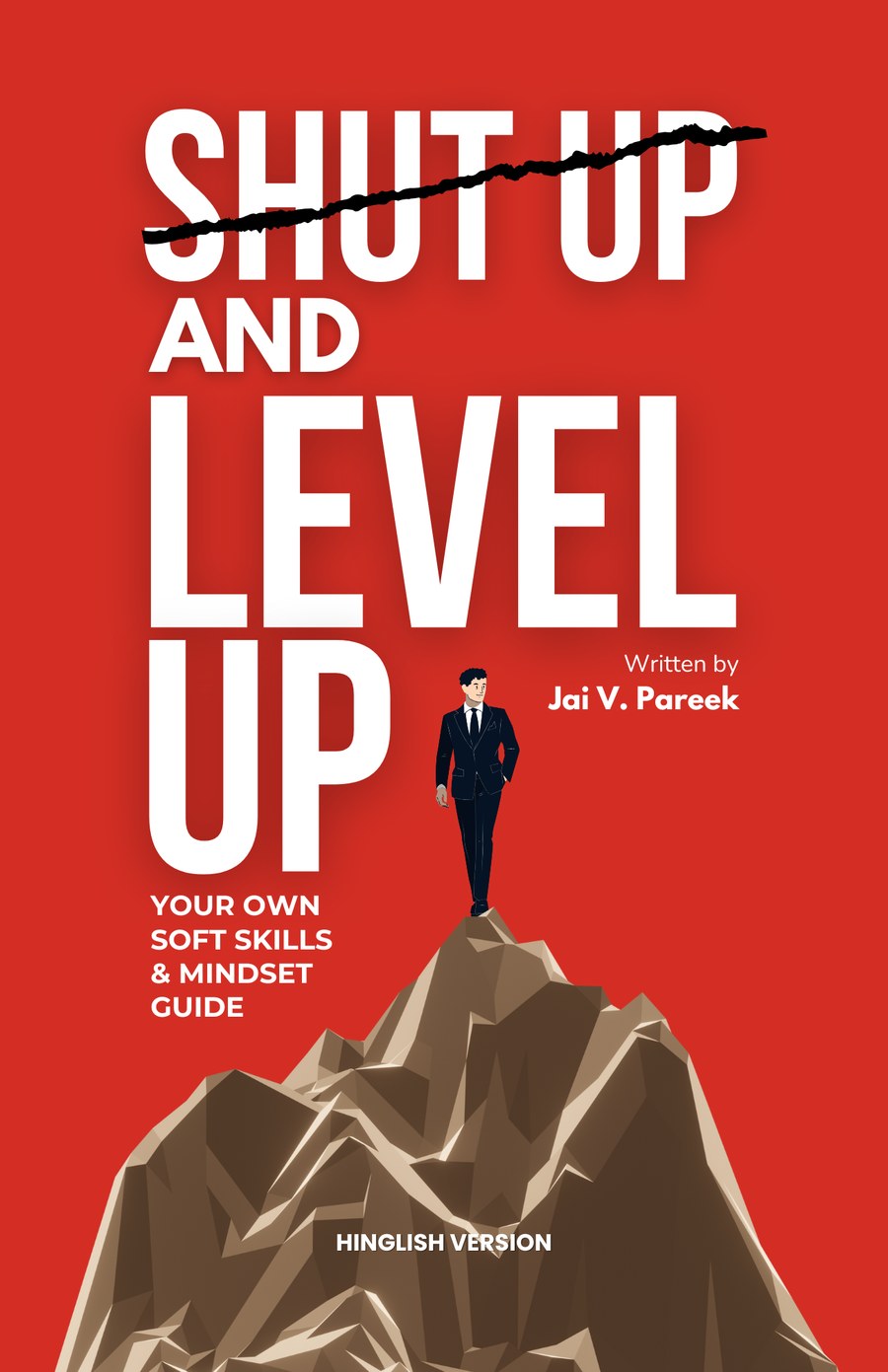
For couples
Couple Communication Mastery
A Hinglish course by Vini & Jai on talking, listening and repairing.
See the courseThe bottom line
Don’t chase silence and don’t punish it. Make it safe to come back. Most quiet partners will return, if they know they won’t be attacked when they do.
Topics
Was this post useful?
Thank you! Share it with one person who needs to hear this today.
Written by
Jai V. Pareek
India’s Practical Transformation Coach · Author of Shut Up and Level Up
I learned most life skills the hard way, so you don’t have to. Since 2017 I have trained students, professionals and couples in soft skills and emotional intelligence, in simple language and with real-life examples.
For couples
Stop the cycle of silence and shouting
Couple Communication Mastery by Vini & Jai teaches you to talk, listen and repair.

Quick answers
Questions people ask
Is the silent treatment emotional abuse?
Occasional silence from overwhelm is common. Long, repeated silence used to punish or control can be abusive. Get support if that’s happening.
How long should I wait?
Agree on a time, usually 30 minutes to a few hours. Don’t let it stretch for days.
What if my partner never opens up?
Start with low-pressure moments: walks, drives, cooking together. Talk often flows side by side.
Should we see a counsellor?
If silence is a regular pattern, yes. Earlier is easier.
Keep reading
You might also like
Couples · 5 min read
The two-minute pause that saves a fight
Stop a fight before it gets expensive.
Read the postEmotional intelligence · 5 min read
Anger is information. Here is how to read it
Three questions before you send that message.
Read the post
Emotional intelligence · 6 min read
Emotionally strong is not emotionally silent
What handling a feeling actually looks like.
Read the postOne useful life skill. Every Sunday.
Short, practical, no spam. Unsubscribe anytime.
Sign-ups open soon.